 08Feb 26
 A complete, no-regrets buying guide for Australian homes (with a practical checklist)
One good armchair can do what a full room makeover can’t. It fixes the awkward empty corner, makes a space feel finished, and quietly becomes the seat everyone claims as “theirs.”
But in Australia, a chair also has to be realistic. It needs to handle busy households, surprise guests, hot summers, takeaway nights, rentals, and the occasional coffee spill. So instead of shopping by aesthetics alone, here’s the full guide to choosing the right armchair for how you actually live.
Step 1: Decide what job the chair is doing
Most armchair regret comes from one simple mismatch: buying for a photo instead of a lifestyle.
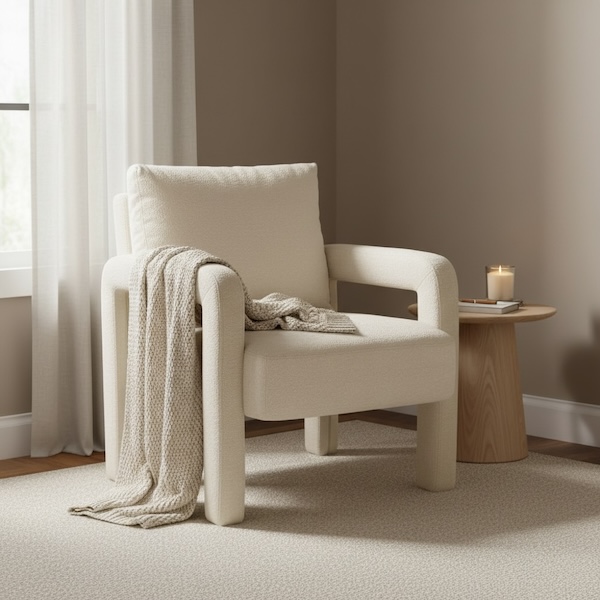
The “make my room look styled” chair
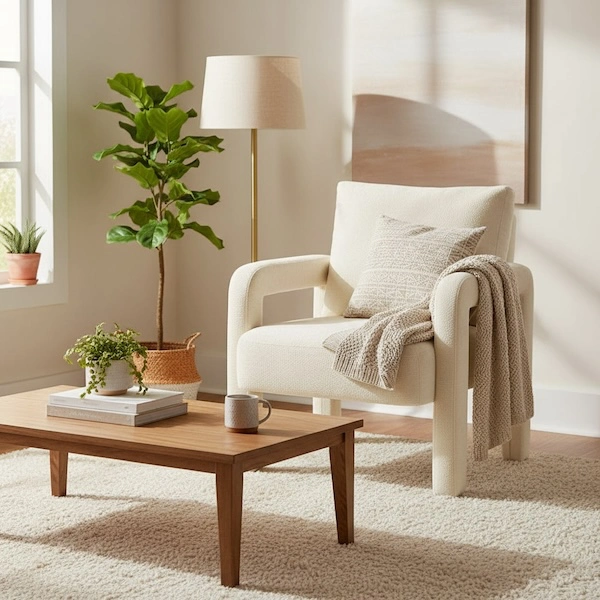
This chair is about impact. Texture does the heavy lifting, which is why velvet works so well. It adds depth and warmth instantly, even in neutral rooms, and it makes a living room look intentionally designed without extra décor.
What to prioritise
A plush feel, supportive cushioning, and a stable base so it still feels solid after daily use.
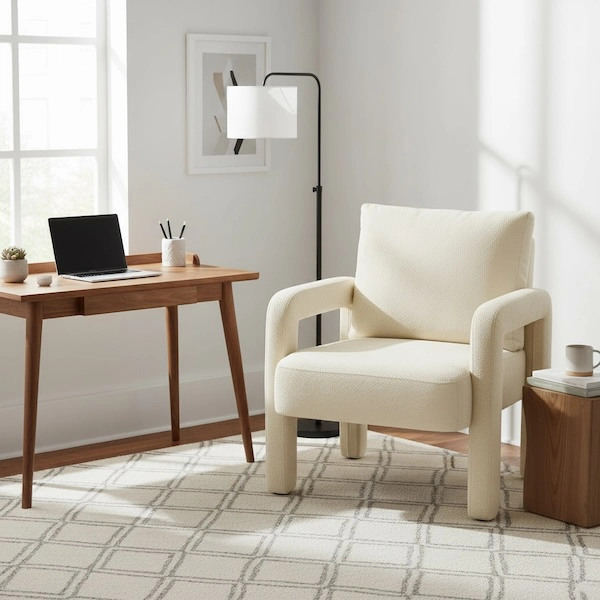
The “this is my spot” chair
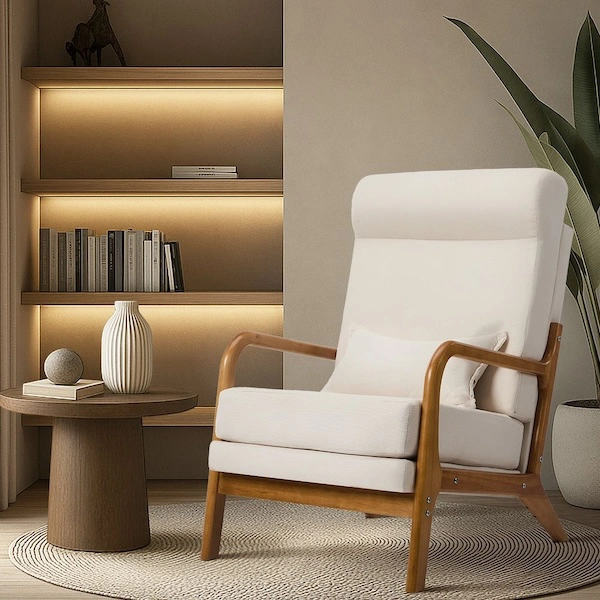
Every home has one. The reading chair, the scrolling chair, the decompress-after-work chair. Comfort becomes the headline, and lower-back support is usually what separates “nice” from “I could sit here all evening.”
What to prioritise
A taller backrest, supportive seat cushioning, and a lumbar pillow that keeps long sitting comfortable.
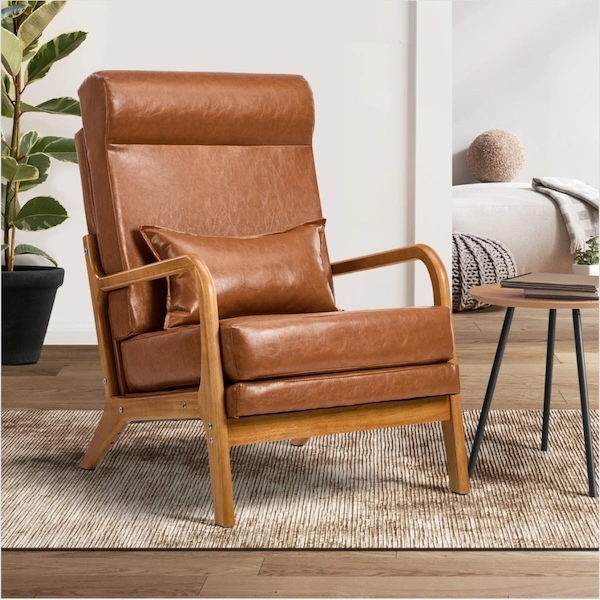
The “easy-care, high-traffic” chair
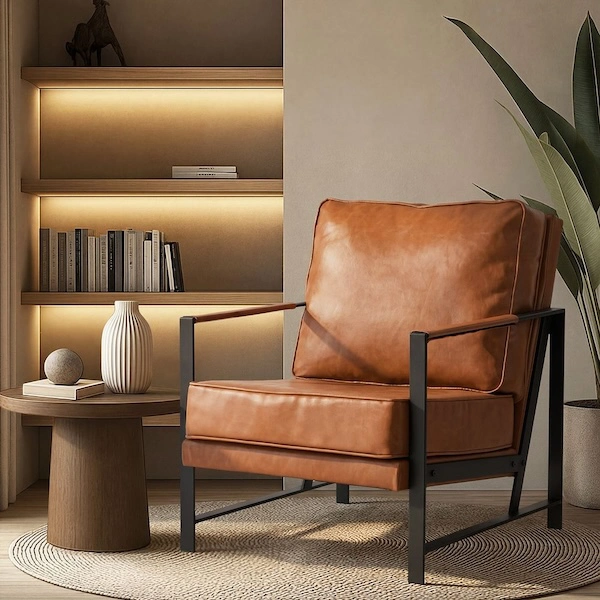
Some chairs look great until real life arrives. High-traffic seating calls for wipeable surfaces, a structure that feels stable day after day, and cushioning that doesn’t collapse fast.
What to prioritise
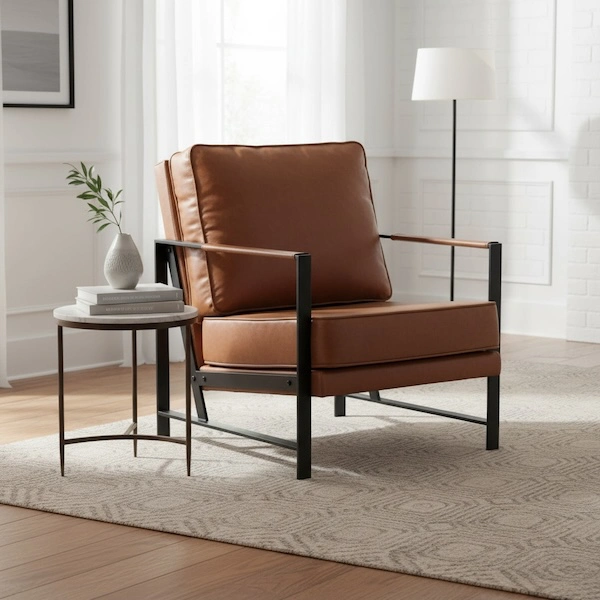
PU or faux leather upholstery, sturdy frame materials, and practical comfort features such as a lumbar cushion.
The “compact all-rounder” chair
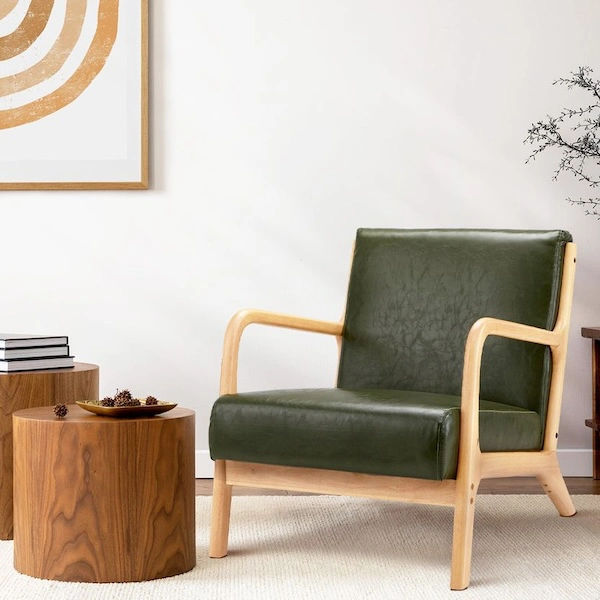
Sometimes the brief is simple: it needs to fit, look clean, and work across multiple rooms. The best all-rounders are proportioned well, comfortable enough for daily use, and visually light so they don’t overwhelm a smaller space.
What to prioritise
Balanced dimensions, a supportive but not bulky silhouette, and materials that handle everyday living.
https://www.misscitystyle.com.au/oikiture-lounge-chair-with-lumbar-pillow-wingback-boucle-white.html
Step 2: Upholstery choices that actually suit Australian lifestyles
This is where buyers either win big or regret fast. Fabric choice should match your household, not just your Pinterest board.
Velvet
Velvet is the shortcut to a premium look. It photographs beautifully and gives neutral rooms that “finished” feel. It suits feature corners, bedrooms, and living rooms where you want one piece to do the styling work.
Best for
Style-forward homes, quieter households, and anyone chasing a designer feel without a full redesign.
Faux linen
Linen-look upholstery feels relaxed and lived-in. It works beautifully with timber tones, cream palettes, and coastal or Scandi-inspired spaces. It’s a strong choice when you want softness and warmth without looking too formal.
Best for
Family homes, renters wanting a calm neutral base, and interiors that lean natural and airy.
PU and faux leather
For busy households, PU and faux leather are the practical heroes. They’re generally easier to wipe down and tend to look sharper for longer in high-traffic spaces. They also translate well into small business settings like studios and reception areas.
Best for
Kids, pets, frequent entertaining, and anyone who wants low-maintenance seating.
Step 3: Comfort features that matter after the first week
Almost every chair feels fine for five minutes. What you’re buying is comfort that still feels good months later.
High-density foam
This is one of the biggest indicators of long-term comfort. It usually means better shape retention and more consistent support over time.
Lumbar support
A lumbar pillow sounds minor until you sit for an hour. It can take a chair from “looks nice” to “my back actually feels good.” For reading corners, WFH crossover use, or anyone who sits longer than one episode, lumbar support is worth prioritising.
Removable cushions
Removable cushions make everyday maintenance easier and can help a chair wear better over time. It’s a practical detail that often matters most a few months in.
Step 4: Size and fit (the fastest way to avoid disappointment)
The most common online furniture regret is sizing. A chair can be the right style and still feel wrong in the room.
Here’s a simple approach that works in most Australian homes
Measure the spot, then measure the “flow” around it. You want the chair to sit comfortably without blocking walkways or making the room feel tight.
How the chair’s shape changes the feel
Rounded silhouettes read more like a statement piece and can feel visually fuller. Clean-lined frames tend to feel lighter and more flexible, especially in apartments or smaller living rooms.
A quick comfort cue
Taller backs typically feel more supportive for reading and longer sitting. Lower backs tend to feel lighter and are often easier to place in multipurpose spaces.
Common worries Australian buyers have (and what to do about them)
“Will it be comfortable, or just pretty?”
Comfort is about structure, not just softness. Focus on foam quality, back support, and whether the seat depth suits how you sit. For longer sitting, lumbar support is often the difference-maker.
“Will it be annoying to keep clean?”
Be honest about your household. Wipeable upholstery is usually the easiest path for high-traffic homes. Fabric looks softer and warmer, but it rewards a little more care.
“Will it look too big in my room?”
Bulk is often caused by arm shape and visual weight, not just dimensions. A cleaner profile can make a chair feel smaller without sacrificing comfort.
“Is it stable enough for daily use?”
Look for strong frame materials and a structure designed for regular seating. It should feel steady, not delicate.
The Buyer Checklist: your no-regrets filter before you buy
Use this list right before you click “Add to Cart.”
1) Purpose and placement
What is the chair doing most days: daily lounging, occasional seating, reading, or WFH crossover?
2) Upholstery reality check
Choose velvet for style impact, faux linen for relaxed warmth, and PU or faux leather for low-maintenance living.
3) Support level
Do you sit for long stretches? Prioritise taller backs and lumbar support.
4) Cushion quality
Look for high-density foam for better long-term shape and support.
5) Maintenance details
Removable cushions can make a noticeable difference for cleaning and longevity.
6) Room fit
Confirm overall dimensions and check walking clearance around the chair. Also consider arm shape and visual weight.
7) Weight rating
Always check the recommended user weight and choose accordingly.
8) Assembly and practicality
Confirm assembly notes, and think about access. In apartments, stairwells and tight entries can matter as much as the chair itself.
A simple way to shortlist styles
A statement chair works best when you want one piece to lift the whole room visually.
A tall-back chair with lumbar support suits longer sitting and reading corners.
A wipeable chair fits busy households and high-traffic spaces.
A compact all-rounder is the safest choice for apartments, rentals, and multipurpose rooms.
Examples used in this guide
Velvet 1-Seater Armchair (Beige): https://www.misscitystyle.com.au/oikiture-armchair-velvet-chairs-1-seater-lounge-sofa-chair.html
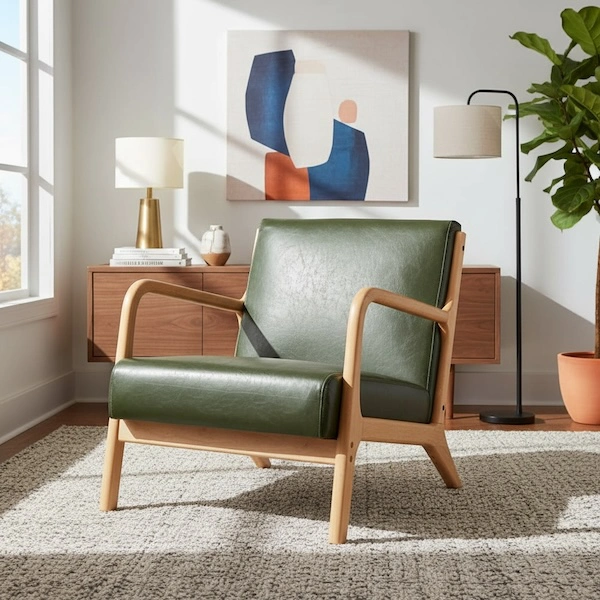
Connor PU Armchair (Green): https://www.misscitystyle.com.au/oikiture-lounge-chair-with-lumbar-pillow-wingback-boucle-white.html
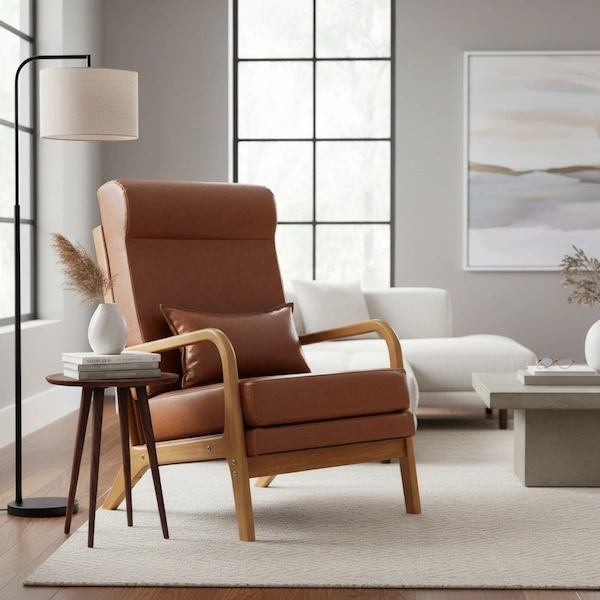
PU Leather Armchair with Lumbar Pillow (Brown): https://www.misscitystyle.com.au/oikiture-armchair-pu-leather-lounge-chair-with-lumbar-pillow-brown.html
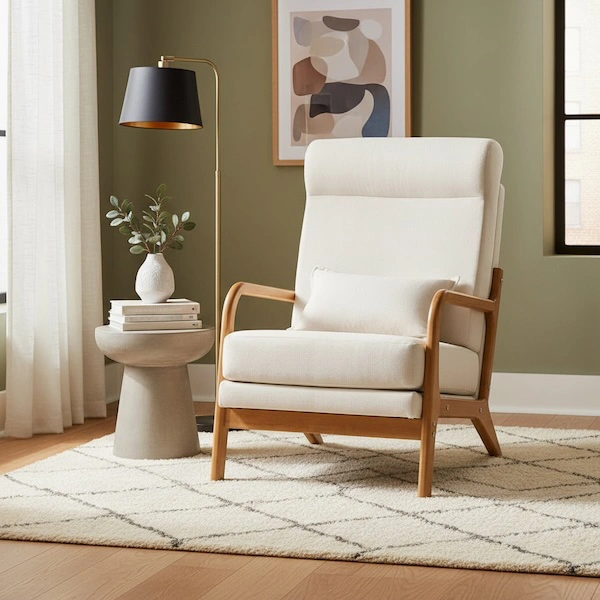
Faux Linen Armchair with Lumbar Pillow (Beige): https://www.misscitystyle.com.au/oikiture-armchair-linen-fabric-lounge-chair-with-lumbar-pillow-beige.html
Faux Leather Accent Armchair with Metal Frame (Brown): https://www.misscitystyle.com.au/oikiture-lounge-armchair-sofa-chair-faux-leather-accent-armchairs.html